
Google’s AI Shift Has Changed Paid Search Traffic Overnight

Important Digital Advertising Alert: Google’s Biggest Update in 25 years Disrupts Advertisers Nationwide
As of January 2026, Google recently introduced significant updates that have started to make a major impact across the advertising landscape. These changes are not minor adjustments. They represent a structural shift in how search intent is interpreted and how ads are delivered.
For more than two decades, paid search operated primarily on keyword logic. Advertisers selected keywords. Users searched those terms. Campaigns were refined through match types, search term analysis, and negative keyword management. That core structure remained largely intact for over 25 years. The recent update marks the first major departure from that long-standing framework.
“Google is no longer operating strictly on keyword logic. The platform now prioritizes predictive intent signals, using AI to analyze user behavior, search history patterns, device context, and audience data to determine conversion likelihood before your ad is even shown,” says Mike Tucker, Agency Owner
The Good News and What This Means for Businesses
The encouraging part of this shift is that businesses that approach advertising strategically may begin to see stronger lead quality and more meaningful engagement. Instead of generating large volumes of casual clicks from people who are simply researching, Google is attempting to prioritize users who show signals that they are more likely to become actual customers. For advertisers, this can mean fewer wasted clicks and a higher percentage of inquiries coming from people who are genuinely interested in the service or product being offered. In many cases, the focus shifts from chasing more traffic to attracting the right traffic.
The Shift Away From Traditional Broad Search
Historically, broad match targeting allowed campaigns to capture search variations at scale. Performance was improved over time by analyzing search terms and tightening targeting based on real data.
“Under the new AI framework, Google is increasingly filtering impressions before they ever reach your campaign. Rather than allowing broader query capture and letting performance data refine it, the system is pre-qualifying traffic based on what it predicts to be “high intent” users,” says Mike.
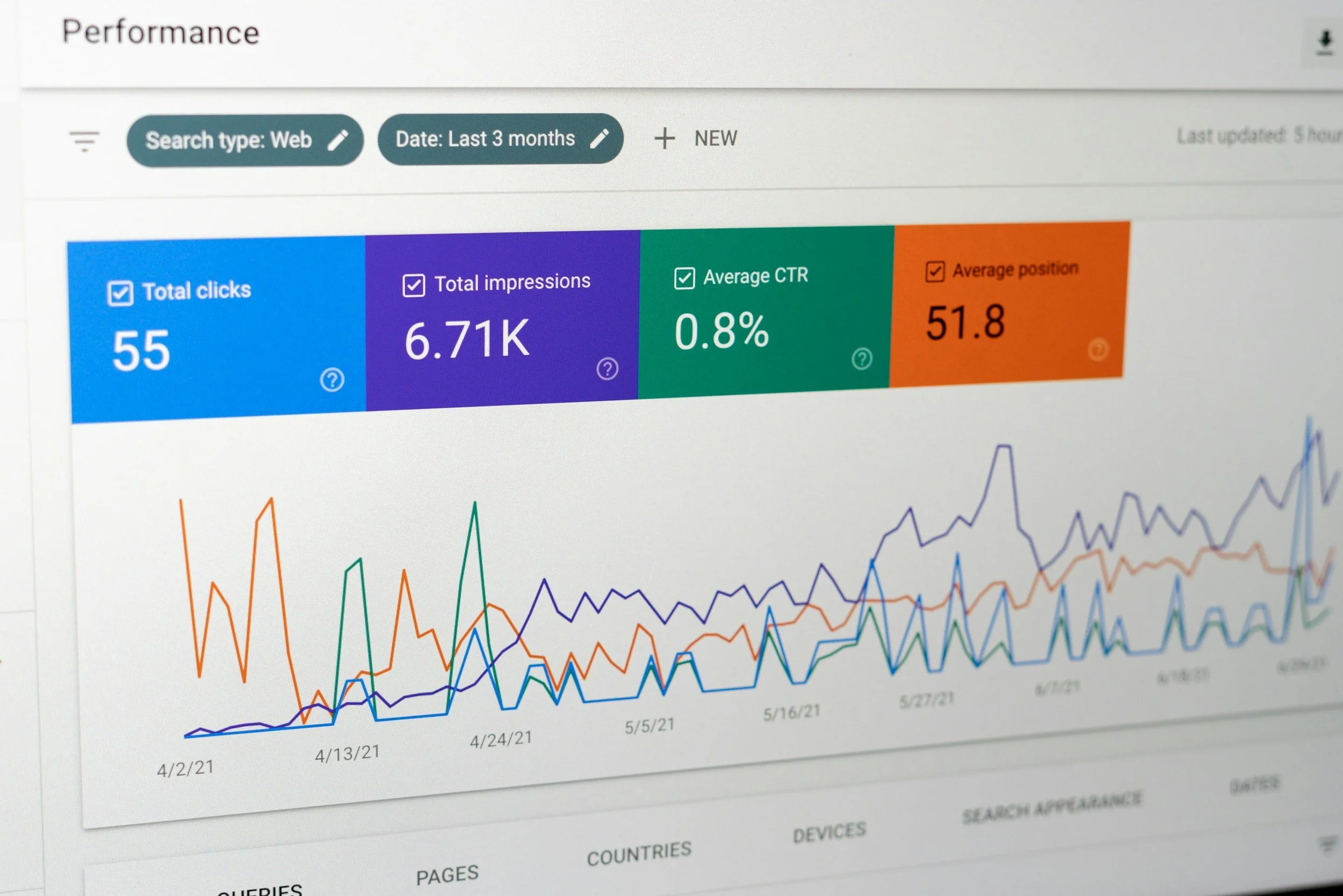
This means reduced overall traffic volume in many accounts, fluctuations in lead flow across industries, and shifts in cost per lead. While the goal of this change is to prioritize higher probability conversions, transitions of this magnitude often create short-term instability as the system recalibrates.
Because this represents the first true system-level reorientation of Google’s paid search model in more than 25 years, agencies and business owners across the Lowcountry and nationwide are left navigating a new operating environment without a historical blueprint.
The industry did not receive a detailed playbook. It received a moving target. Traffic patterns shifted. Impression distribution changed. Campaign structures that had delivered consistent results for years required reevaluation. This is not isolated to one region or industry. It is happening across the platform.

How is Tucker Marketing Group Responding
The team at Tucker Marketing Group is closely monitoring industry-wide changes and platform behavior. As soon as these shifts became evident, we began actively adjusting strategy across accounts. Every client account is being reviewed individually since there is no one-size-fits-all adjustment. Each business has different search behavior, seasonality, competition levels, and customer intent patterns.
“AI can optimize, but it still requires structure, guidance, and strong data signals. Our focus is ensuring your campaigns are aligned with Google’s newest AI-driven environment so the system works for your business, not against it.”
If you have questions about your specific campaign performance, we welcome the conversation. Our role is not simply to manage ads, but to lead through change and protect your visibility in an evolving digital landscape.
