
Search engines are looking beyond keywords to better understand your business, your reputation, and what customers actually need.
Here's why that matters for your marketing.
For years, getting your business found online largely revolved around keywords. If someone searched for "roofing contractor Hilton Head Island," businesses that optimized their websites around those words had an opportunity to appear in search results. Keywords do still matter, but the way search engines evaluate businesses has become far more sophisticated.
“For business owners, the objective hasn't changed. You want your phone to ring, your website to generate inquiries, and your marketing investment to produce results. What's changing is how businesses earn that visibility,” says Tucker Marketing Group’s Owner, Mike Tucker.
Today's search technology, including Google's AI-powered search features and platforms like ChatGPT, increasingly focuses on understanding what people are looking for and identifying businesses that may best meet their needs. Behind this shift is something called marketing signals. Signals help search engines and AI systems build a more complete picture of your business, including what you do, where you operate, your experience, and how relevant your services are to a potential customer.



GET STARTED TODAY
Take the first step toward smarter, more effective marketing.
CONTACT US → 843-681-7827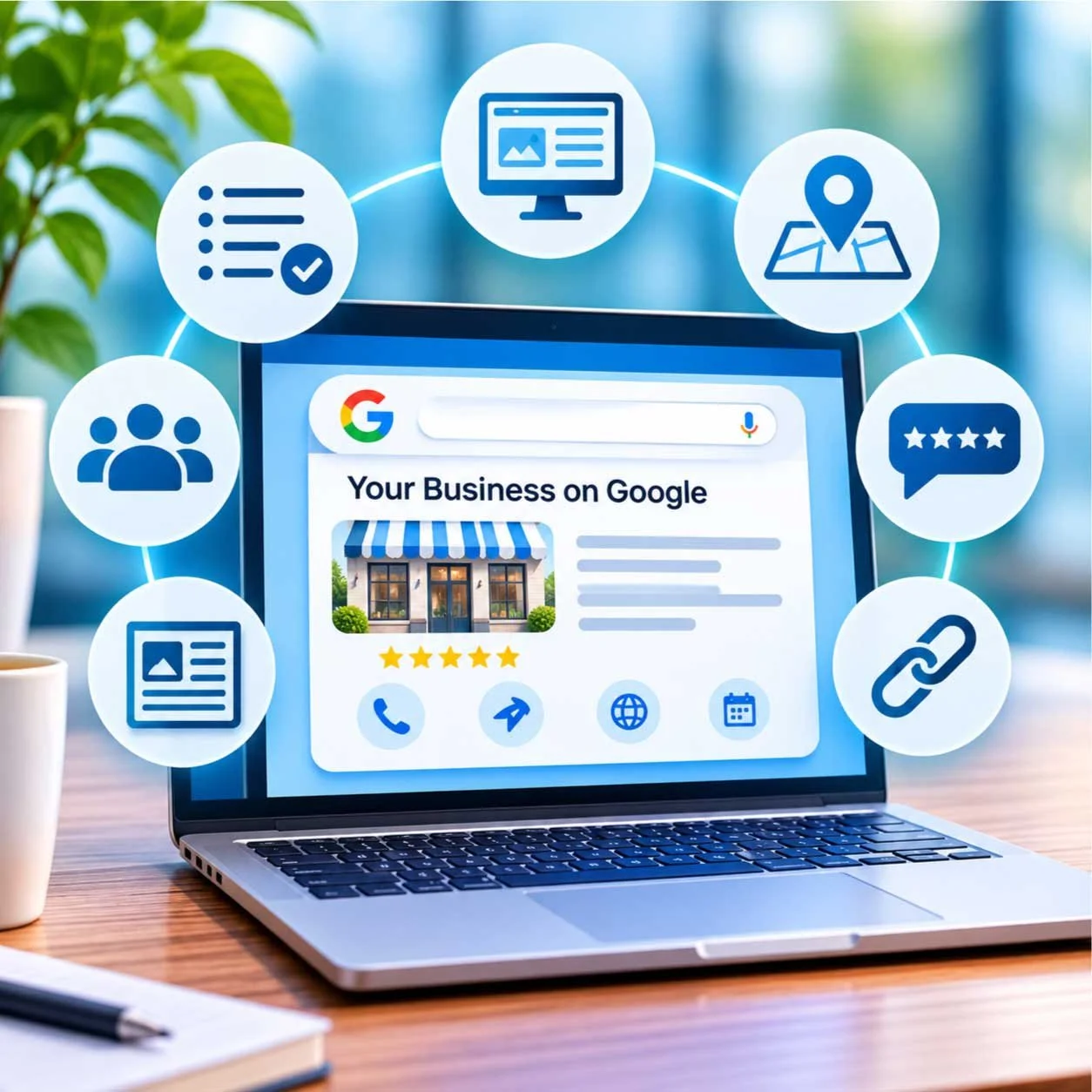
What Are Marketing Signals?
Think of marketing signals as pieces of information that help search engines understand and evaluate your business. Your website is an important source, but it's no longer enough to focus exclusively on what appears on your homepage.
Search engines can consider information from across your online presence, including:
Website content: The services you provide, locations you serve, and how clearly your website answers customer questions.
Google Business Profile: Your business category, location information, services, and other details that help establish local relevance.
Customer reviews: Feedback that provides useful information about customer experiences and your reputation.
Business citations: Mentions of your business name and information across reputable directories, industry websites, and other online sources.
Links and references: Relevant websites that link to or reference your business and its expertise.
Content and expertise: Helpful articles, project examples, service descriptions, and other information demonstrating your experience.
These are not all equal ranking factors, nor does every search platform evaluate them the same way. Together, however, they contribute to the information available for understanding your business and its relevance. The more accurate, consistent, and useful that information is, the easier it becomes for search systems to understand what your business offers.
How Search Has Changed From Keywords to Customer Intent
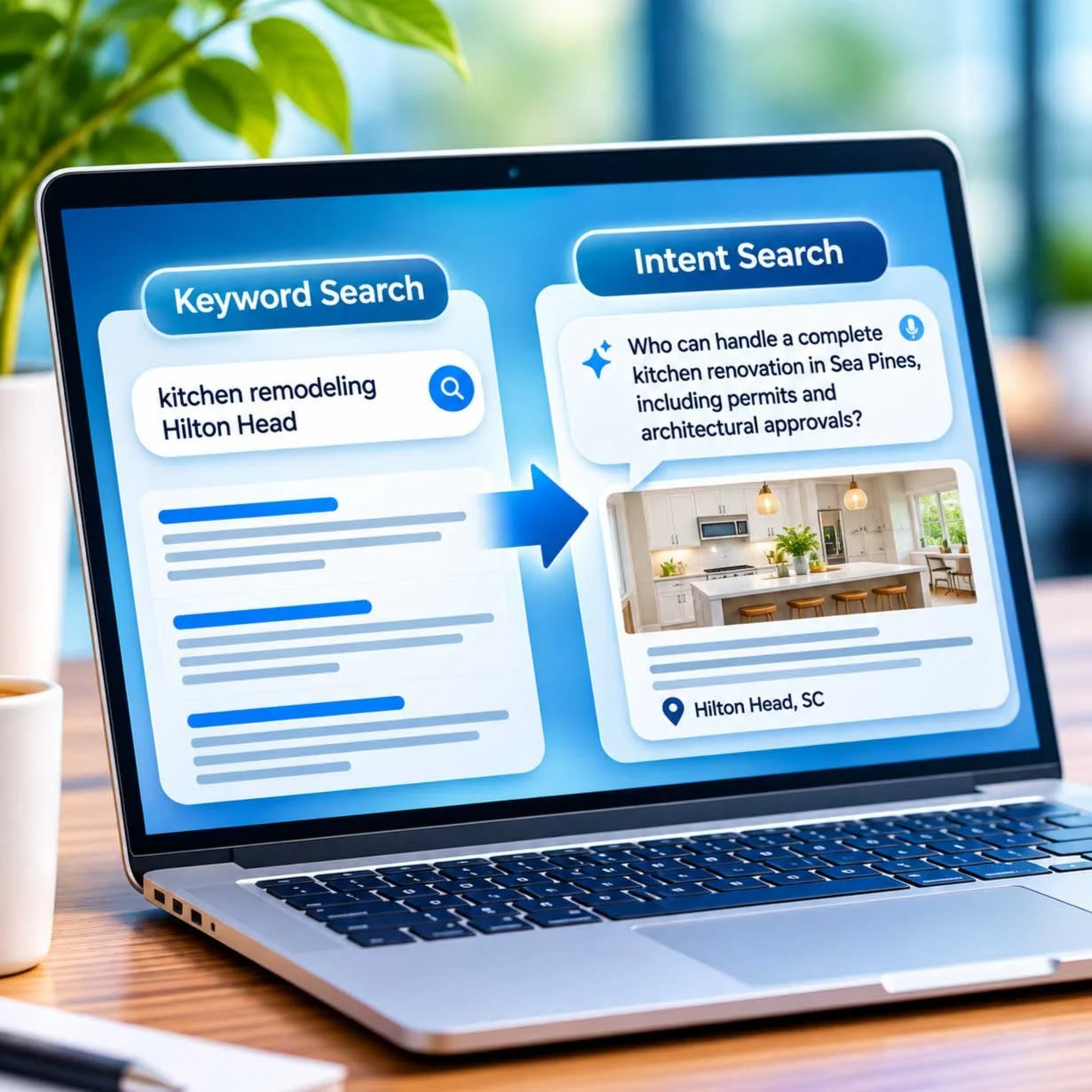
Traditional search engine optimization focused heavily on matching search terms with relevant website content. A business targeting "kitchen remodeling Hilton Head" might create a page featuring that phrase in its headline, page title, and supporting content. That approach still has value. Search engines need to understand the subject of a page, and relevant keywords remain an important part of SEO. Today's search systems go considerably further.
Imagine a homeowner asking: "Who can handle a complete kitchen renovation in Sea Pines, including permits and architectural approvals?"
The homeowner isn't simply looking for a website that repeats "kitchen remodeling." They're looking for a contractor with the right experience, geographic knowledge, and ability to manage a specific project. Modern search systems are better equipped to interpret those needs and identify potentially relevant information. This is called search intent, or user intent. It means understanding what someone is trying to accomplish rather than focusing exclusively on the words they type. For a local business, this creates opportunities to reach customers whose needs closely match its services.
Why Your Online Reputation and Business Citations Matter
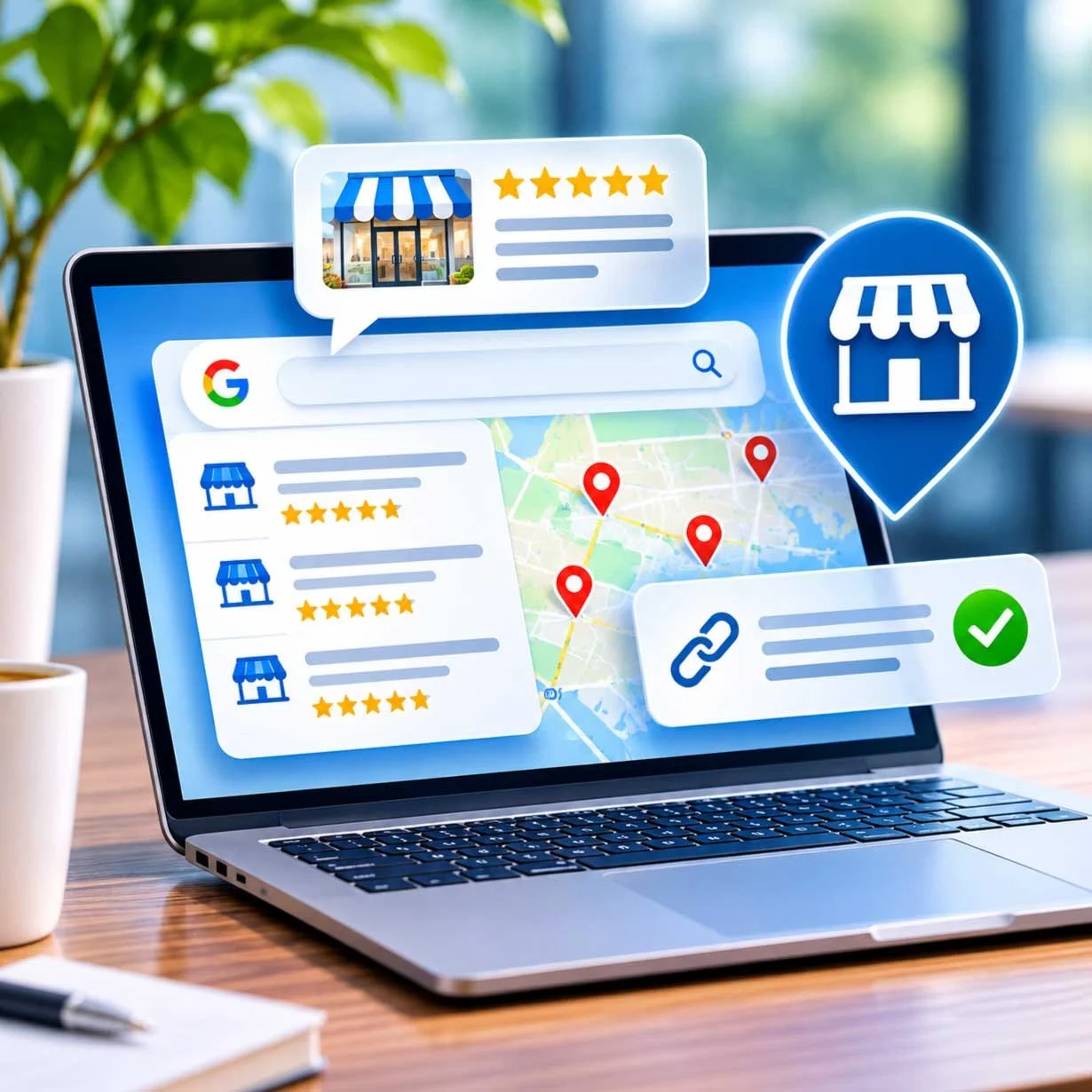
Consider how customers evaluate a business before making a purchase. They might visit your website, read reviews, look at completed projects, and check whether your company serves their neighborhood. Search engines also use multiple sources of information to understand businesses, although their methods differ from how people make decisions. A well-developed online presence helps establish a consistent business identity.
For example, a roofing company might have a detailed website explaining its services, a complete Google Business Profile, references on reputable industry websites, and customer reviews describing completed roofing projects. These sources provide additional context about the company.
Business citations are particularly useful for establishing consistent information about a company's identity and location. Relevant mentions and links can also help people and search engines encounter a business beyond its own website.
Accuracy matters more than simply accumulating listings. Outdated addresses, inconsistent business names, or misleading service descriptions can create confusion. The objective is to build a credible online presence supported by information that accurately represents the business.
AI Search Is Adding Another Dimension to Visibility
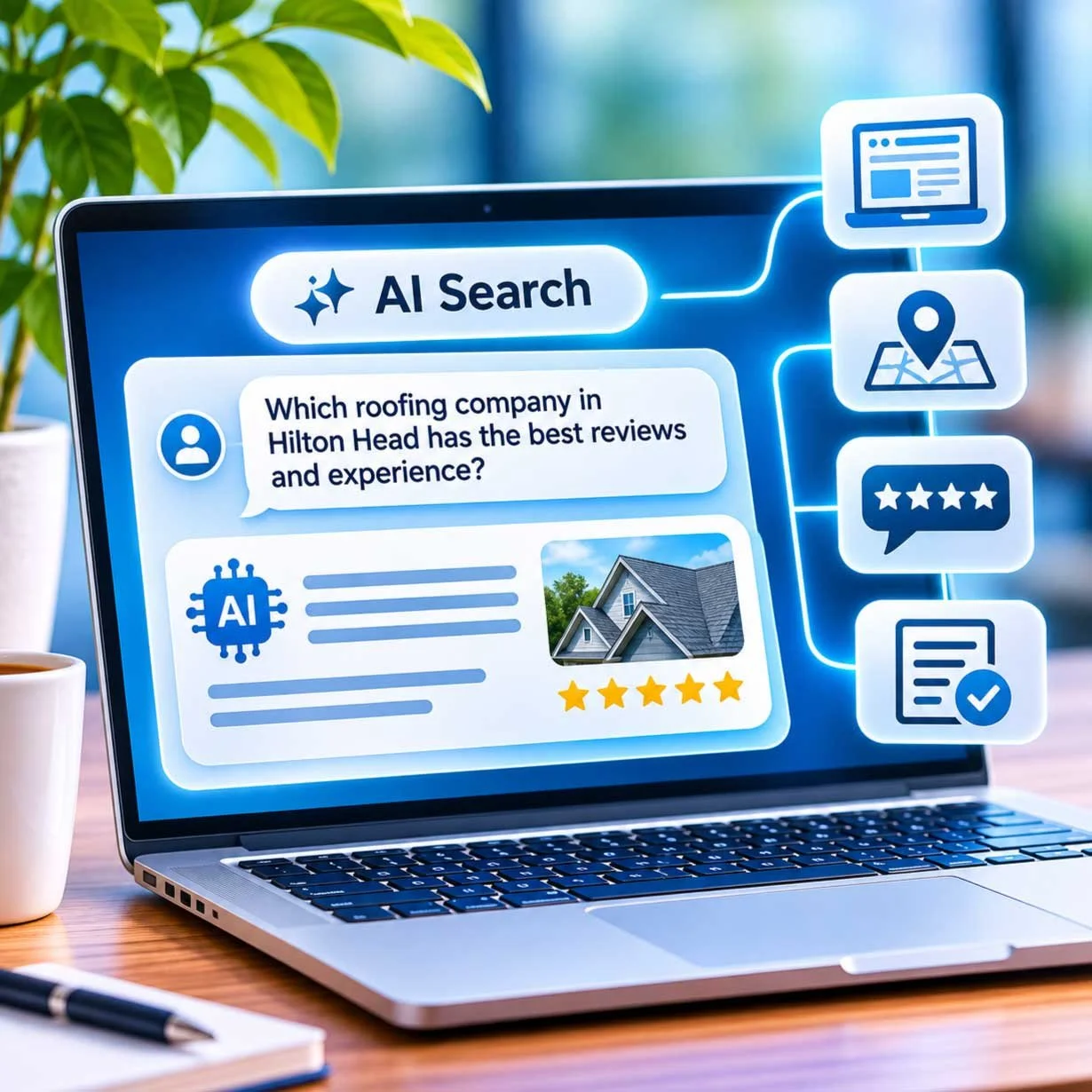
Traditional Google search results generally present a collection of links, local business listings, and other search features. AI-powered search can take a different approach. Someone might ask ChatGPT for recommendations, use Google's AI search features to compare service providers, or ask a detailed question about a product before deciding which company to contact. Rather than relying entirely on a short search phrase, these systems can interpret longer questions and provide more conversational responses. This creates an important consideration for business owners.
“Your business needs to be understandable to search engines, not just visible for a particular keyword”, says Mike Tucker. “That means developing useful website content, explaining your services clearly, and providing reliable information that search systems can access and interpret."
It also means recognizing that appearing in an AI-generated answer is not guaranteed. Different AI platforms use different methods for retrieving information, selecting sources, and generating recommendations. Google's own guidance on AI features and website visibility reinforces that established SEO fundamentals, helpful content, and accurate business information remain important.
Our approach to Generative AI Search Optimization builds on those fundamentals while addressing how customers increasingly use AI tools to research businesses and make purchasing decisions. A strong marketing strategy begins with understanding your customers. Our SEO services for Hilton Head Island and Bluffton businesses focus on strengthening search visibility through relevant content, local optimization, and the foundational elements that help search engines understand a business.

Is Your Business Sending the Right Signals?
Tucker Marketing Group is fully committed to helping businesses adapt to today's changing search environment. Our work focuses on developing targeted marketing strategies while strengthening the information, signals, and citations that help search engines and AI platforms understand each business more completely.
“It's tempting to treat SEO, paid advertising, website content, and AI search as separate marketing activities. In practice, they should support a common objective - connecting your business with people who need what you offer.”
Our digital marketing services are designed to connect the different elements of online marketing around a company's goals rather than treating individual channels as isolated activities. The result is a more coordinated approach to reaching prospective customers, strengthening brand visibility, and creating opportunities for qualified leads.
Ready to make your marketing work smarter? Contact Tucker Marketing Group to discuss your goals and how we can help.
