
Will SEO Actually Help My Business Get More Customers?
SEO Should Do More Than Improve Your Rankings
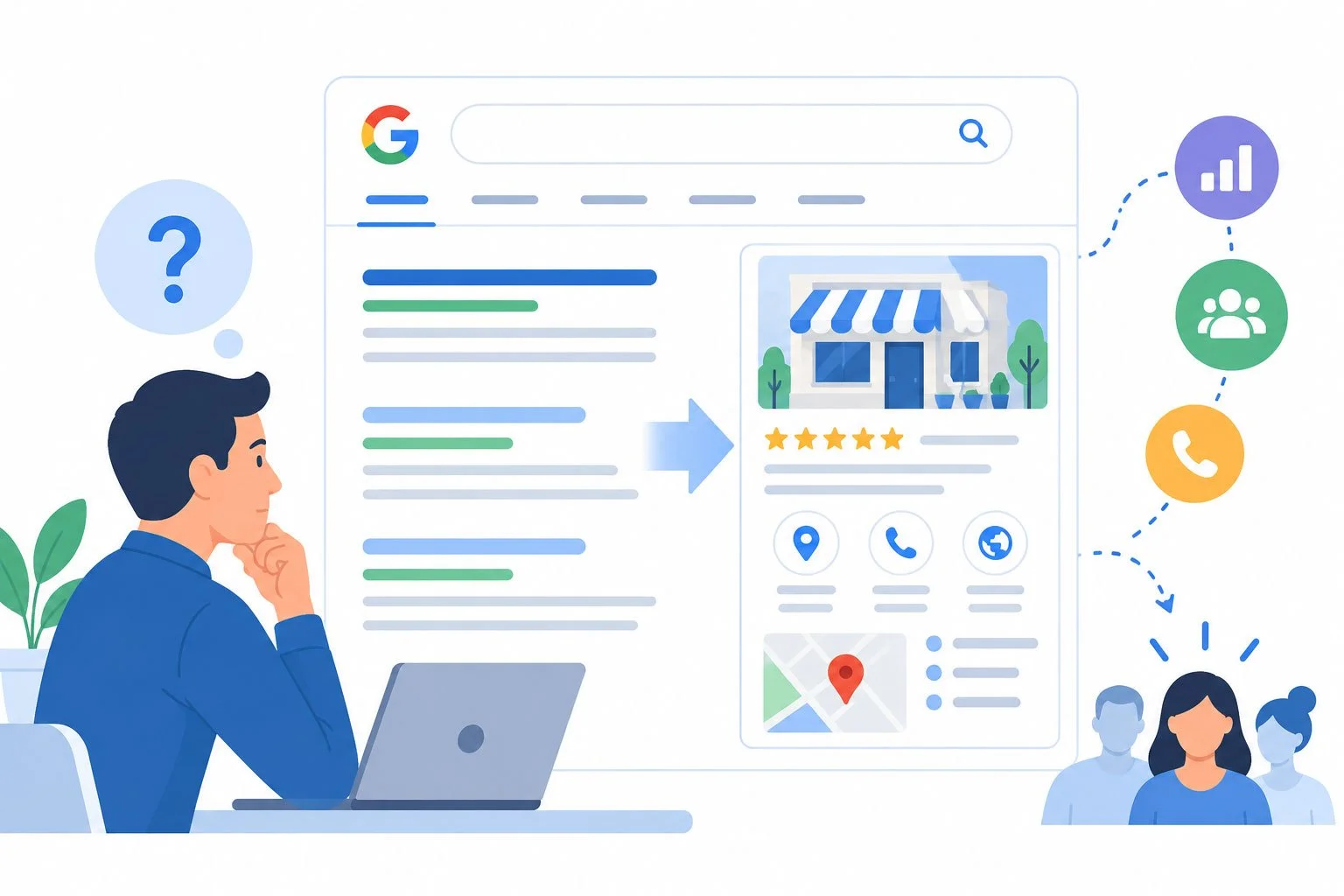
SEO should have a business purpose. For most small businesses, that purpose isn't simply ranking higher on Google. It's helping more of the right potential customers find the business, visit the website, call, request an estimate, book an appointment, or take another meaningful next step. Modern SEO also reaches beyond traditional Google rankings into local search, Google Maps, AI-generated search results, and tools such as ChatGPT.
Business owners ask us some version of the same question all the time: “Do we really need SEO?” Usually, what they actually want to know is: “Will this help us get more customers?” That's a much better question.
A business can rank for dozens of keywords, increase website traffic, and receive a monthly report filled with upward-trending graphs. None of that matters very much if those improvements aren't creating more opportunities to do business.
As Mike Tucker, owner of Tucker Marketing Group, puts it, “Rankings and traffic are things we measure. Leads are why we're doing the work.”



GET STARTED TODAY
Take the first step toward smarter, more effective marketing.
CONTACT US → 843-681-7827What Is SEO Supposed to Do for a Small Business?
Search engine optimization helps search engines better understand your business, what you offer, where you provide it, and when your website may be a useful result for someone's search.
For a local business in Hilton Head Island or Bluffton, that might mean appearing when someone searches for a roofer, remodeling contractor, HVAC company, restaurant, medical provider, or another local service.
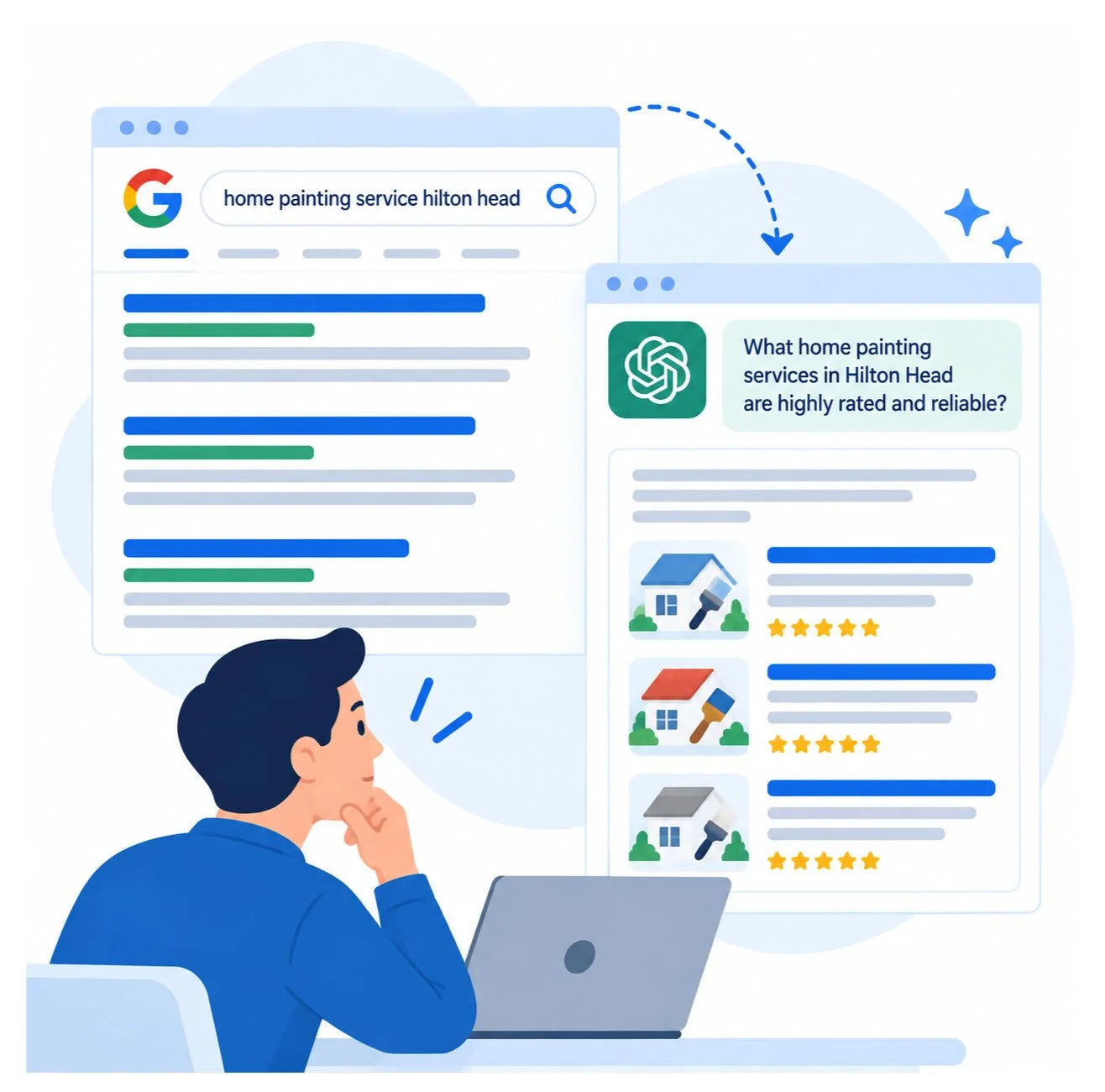
Today's customer journey isn't limited to traditional Google results. Potential customers may encounter your business through Google Maps, an AI-generated Google result, ChatGPT, your Google Business Profile, online reviews, or another website recommending your company. That's why we increasingly think about SEO and AI search optimization together rather than treating them as completely separate strategies.
Google says information used in local listings can come from a business's official website, Business Profile, third-party sources, user contributions such as reviews, and other information Google has about the business. Your website remains incredibly important. It's simply no longer the only place a potential customer may encounter your business.
More Visibility Isn't Enough. You Need the Right Visibility.
Imagine a Hilton Head Island home services company gets 500 additional website visitors next month. That sounds great, but what if most of those people aren't homeowners in its service area and have no intention of hiring the company?
Now imagine another 50 visitors arrive after specifically searching for a service the company provides in Hilton Head or Bluffton. We'd rather have the 50.
Good SEO isn't about attracting the largest possible audience. It's about increasing visibility with people who have a legitimate reason to become customers. That's why we pay attention to search intent, geography, individual website pages, local rankings, competitors, and what visitors actually do after reaching the website.
Can SEO Actually Generate Phone Calls and Website Leads?
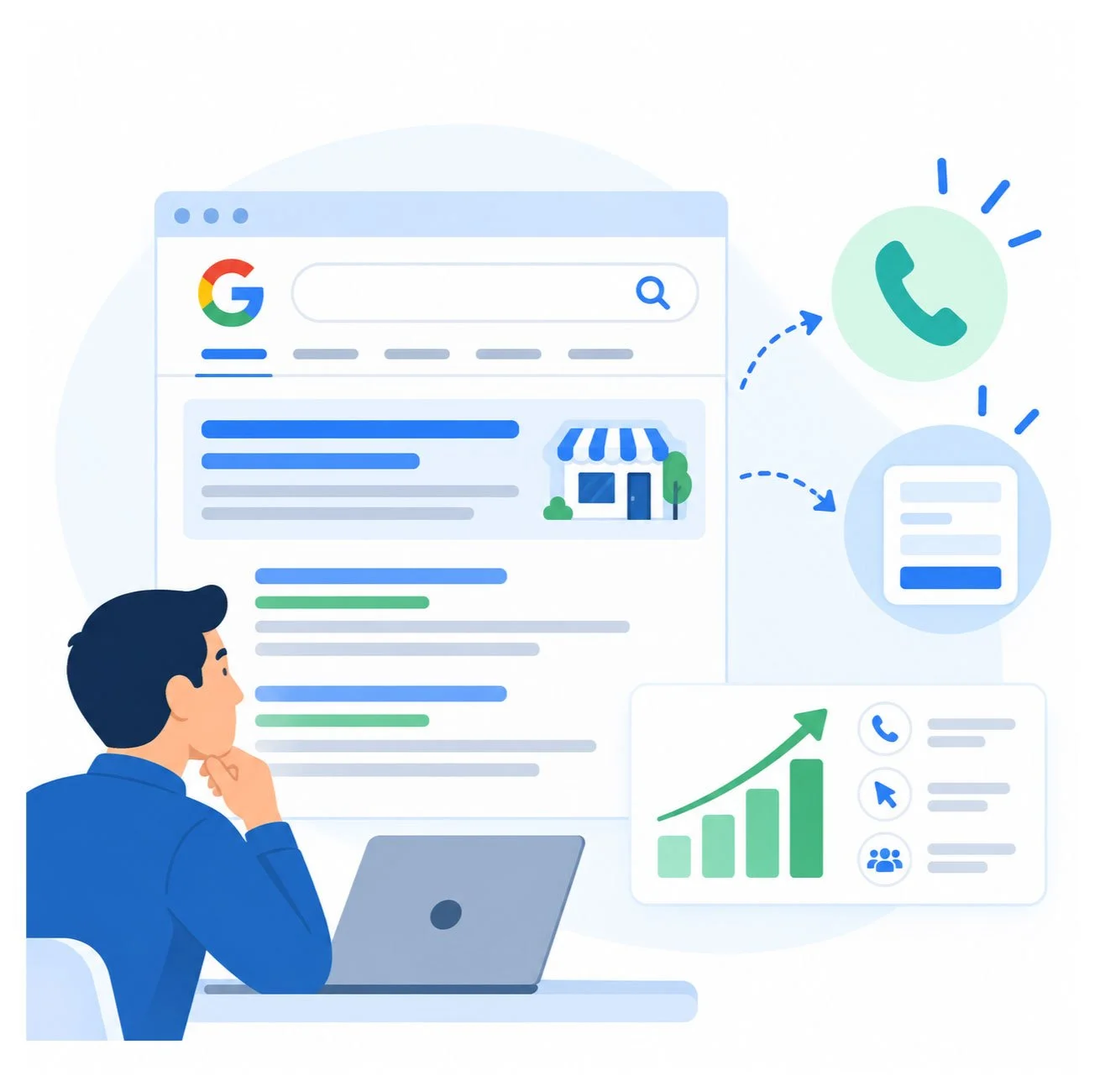
Yes. Generating qualified business opportunities should be one of the primary objectives of an SEO program. But there's an important difference between having that objective and promising a specific result.
No marketing agency controls Google, ChatGPT, your competitors, consumer demand, or how many people will search for a particular service next month. An agency guaranteeing a number-one organic ranking should raise some eyebrows. What we can do is measure much more than rankings.
Google Business Profile, for example, provides businesses with performance information that can include the searches people used to find them, profile views, website clicks, and clicks on the call button. Website analytics and conversion tracking can take that further by helping us understand whether organic visitors are submitting forms, clicking phone numbers, or completing other valuable actions.
Instead of only asking: “Did our rankings go up?” We can ask: “Is increased search visibility producing more opportunities for the business?”That's the standard that matters.
Local SEO Matters in Hilton Head and Bluffton
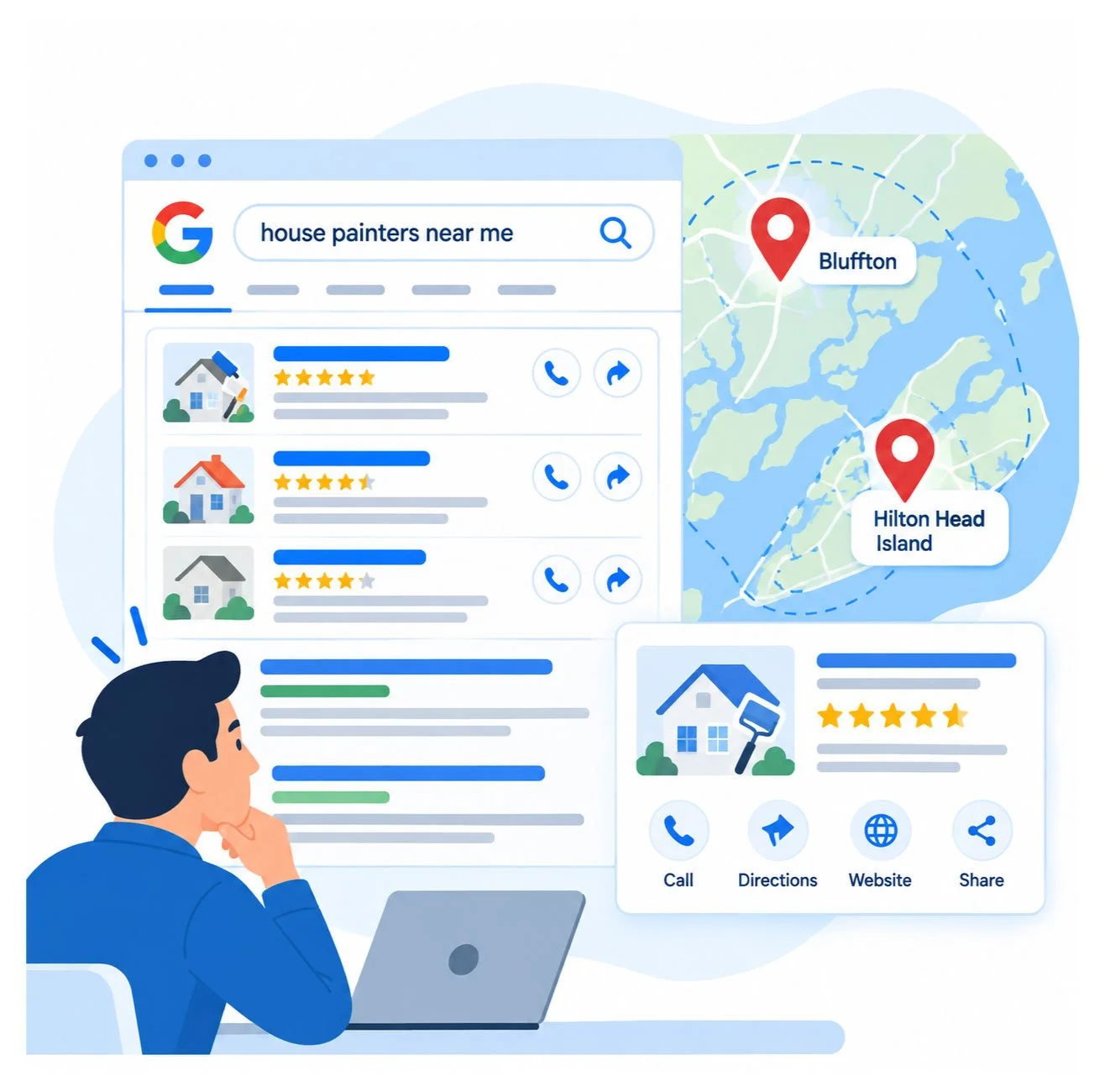
Local search adds another layer because two people can perform similar searches and receive different results based partly on where they are. Google says local rankings are primarily determined by relevance, distance, and prominence. Google also says complete and accurate business information can help businesses appear in relevant local searches. That matters tremendously in the Lowcountry.
A business may serve both Hilton Head Island and Bluffton but have very different visibility in each market. A company located on Hilton Head may perform strongly around the island while struggling to appear for potential customers searching from Bluffton. An effective local SEO strategy needs to recognize those differences.
That can mean improving service pages, strengthening location relevance, optimizing a Google Business Profile, building local authority, earning credible reviews, and monitoring actual visibility within the markets the business serves. Simply adding “Hilton Head Island, SC” to a few pages isn't a local SEO strategy.
Your Website Has to Do Its Part Too
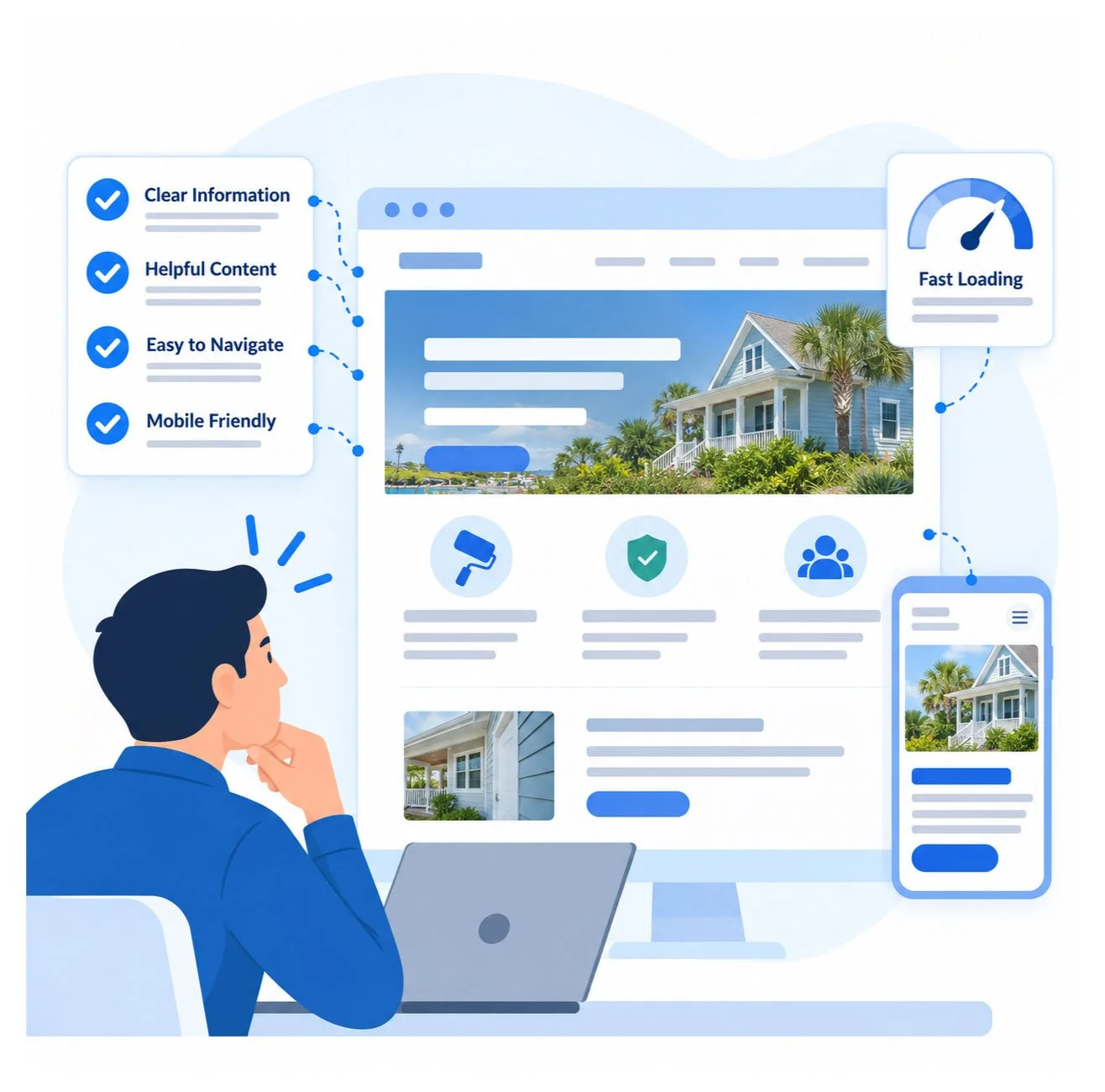
Getting someone to your website is only half the job. If a potential customer lands on a page and can't quickly determine what the company does, where it works, why they should trust it, or how to get in touch, additional traffic may accomplish very little.
That's why SEO shouldn't live in a vacuum. A service page needs to work for search engines and human beings. It should answer the questions customers actually have, demonstrate credibility, and make the next step obvious. The website also needs a solid technical foundation. Google recommends looking at the overall page experience, including mobile usability, secure delivery, Core Web Vitals, and whether visitors can easily identify and use the main content.
Sometimes the biggest SEO opportunity isn't another blog post. It's making an existing high-traffic page better at turning visitors into prospects.
What About ChatGPT and AI Search?
This is where SEO has changed significantly. People increasingly ask AI systems questions that once would have been typed directly into a traditional search box. Instead of searching: “marketing agency hilton head,” someone might ask: “What marketing agencies in Hilton Head Island work with small businesses and handle SEO and Google Ads?” The language changed, but the business need didn't.
Google has also integrated generative AI into Search through features including AI Overviews and AI Mode. Google's Search documentation emphasizes that established SEO fundamentals continue to apply to its AI search experiences. That's important because there isn't a magic switch labeled Optimize for AI.
Strong AI-search visibility still depends heavily on useful content, clearly communicating what a business does, technically accessible pages, credible information, and enough authority for search systems to understand and trust the business. AI optimization expands the SEO strategy. It doesn't replace it.
Why Does SEO Need Ongoing Work?
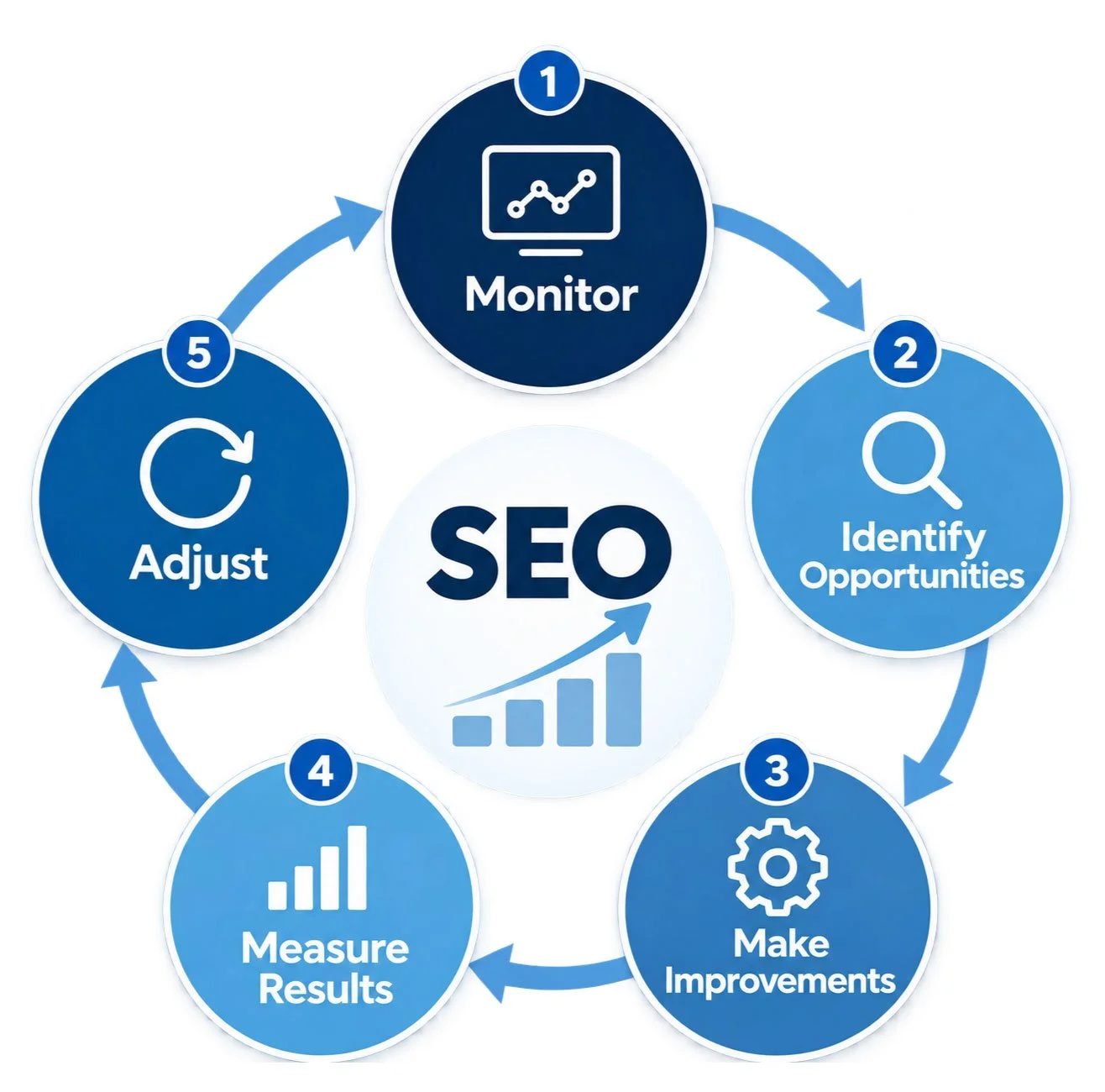
A common question is why a business can't optimize its website once and call it finished. Because the environment around the website keeps moving. Competitors improve. Customers search differently. Google changes how results are presented. AI creates additional ways for businesses to be discovered. Your own services and priorities change too. SEO therefore works better as an ongoing cycle:
Monitor → identify opportunities → make improvements → measure results → adjust
One month that might mean improving an important service page. Another might uncover a technical problem, a competitor gaining ground, or an opportunity to strengthen visibility in Bluffton. The work should follow the opportunity rather than a generic SEO checklist.
Should My Business Still Invest in SEO & Search Marketing?
Yes. If potential customers use Google, Maps, AI search, or the web to research businesses like yours, being easier to find and easier to understand has real business value.
For some businesses, paid advertising may generate opportunities faster. For others, improving the website itself should come first. Often, SEO works alongside those efforts as part of a broader marketing strategy. That's why we prefer to start with the business problem rather than automatically prescribe a marketing service.
Curious how SEO and search marketing can work for your business?
